A look at Jesse’s journey from web developer to climbing coach, including how he discovered his talent for empowering and helping others, his approach for staying authentic with social media, and his proudest moments as a climbing coach…
Note: this interview was edited and condensed
Can you introduce yourself?
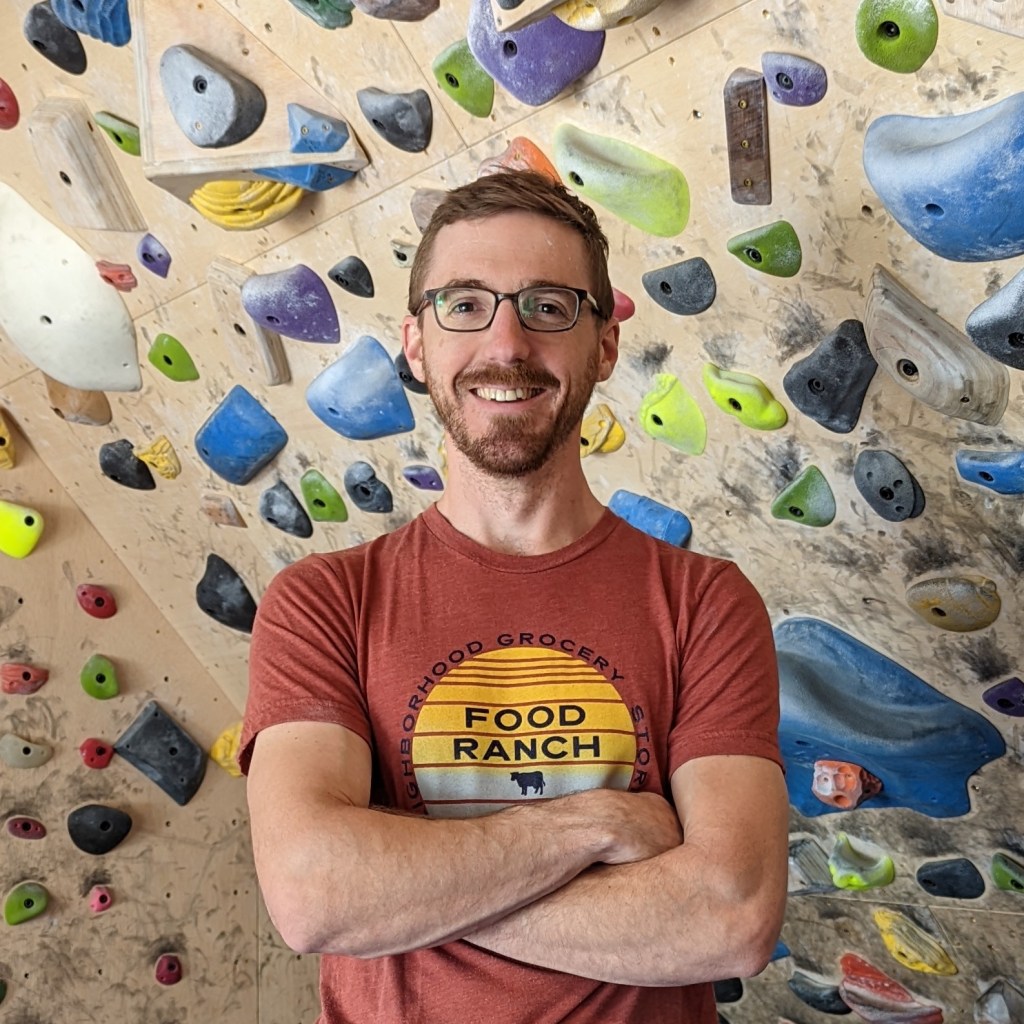
My name is Jesse Firestone and I’m a climbing coach. I help climbers perform at a higher level and get more fulfillment out of the sport. I’m based in the Pacific Northwest but I’ve worked with climbers all over the world, including 6 continents (I’m not too hopeful for Antarctica).
What led you into climbing coaching?
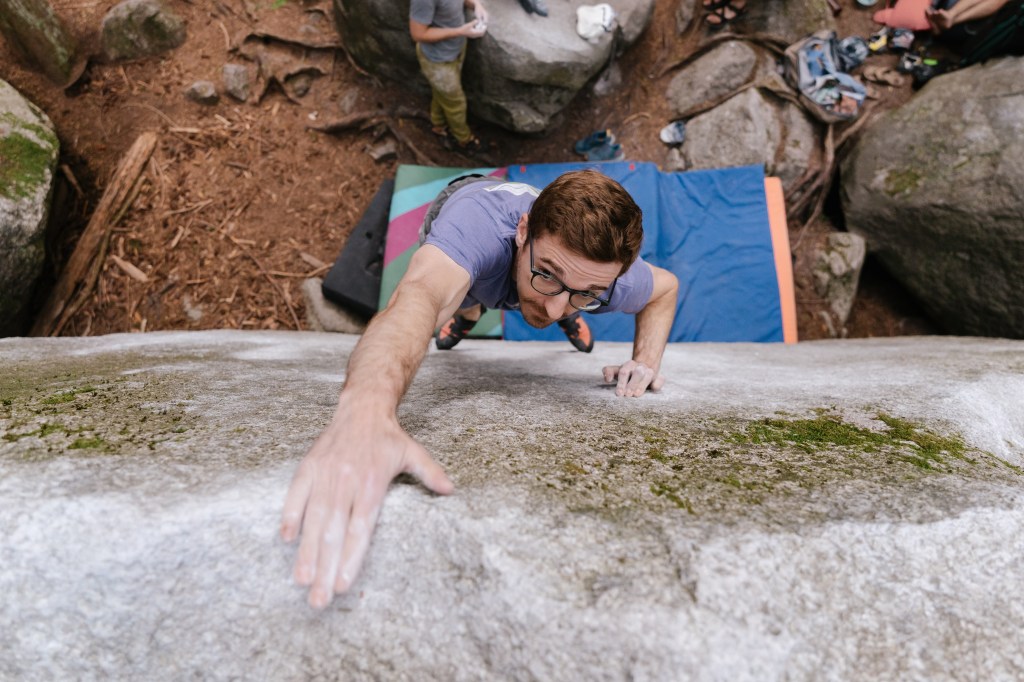
I’ve been climbing for more than half my life—about 20 years now. I’ve always been fascinated by what motivates people and what they’re trying to achieve, but I wasn’t necessarily driven to help other people until about 5 or 10 years ago.
It hit me that if I had had someone whose whole job was to empower me, I probably could have achieved greater things and definitely avoided a lot of heartache and struggle. So I’ve tried to turn myself into that mentor and coach figure that I could have benefited from myself.
I thought to myself, “There might be something here for you.”
What did your career look like before coaching?
I was a web developer in a bunch of different capacities—tiny startups, 500-person companies, and even running my own company for about five years. I burned out pretty hard doing that, but I got to learn a lot of lessons about business ownership, marketing and business development.
Towards the end of my last job, I was leading a team of developers, and I realized that managing people was something I was really, really into. I felt more excited to show up for work every day to help other people solve problems and to empower them – even more than solving the problems that were on my own plate. And I thought to myself, “There might be something here for you.”
There’s so much more to owning a business than just having a good product. But I wanted to make sure that I had a good product first.
How did the transition to full-time coach happen?
Definitely gradual. I got my first paying client maybe two and a half years before I went full time. For the last six-ish months before I went full-time coaching, I was basically working both jobs full time—way too much. But I didn’t want to give up the stability until I was confident I could make it work. Towards the end, I realized that I had built something new that I was really excited about.
Unlike my previous business ownership, which was more by the book, with my coaching business, I was like, “I’m just gonna try to solve every problem in the fastest, cut the Gordian knot sort of way that I can. I’m just gonna try to provide the best coaching service that I can to every person that works with me.”
There’s so much more to owning a business than just having a good product. But I wanted to make sure that I had a good product first.
What’s been surprising so far?
At first, I was just surprised that it was even a thing because I don’t think it’s a job that really existed 10 years ago.
Secondly, climbing is multi-faceted and means many things to different people. One person might be physically driven and we’re getting into the nuance of strength and conditioning. For another person, it’s about emotion and managing fear or feeling more confident. My job as a coach is constantly growing and changing.
I want to feel like the version of me on the internet is the same as the version they’ll meet in person.
What are some of the challenges in running your business?
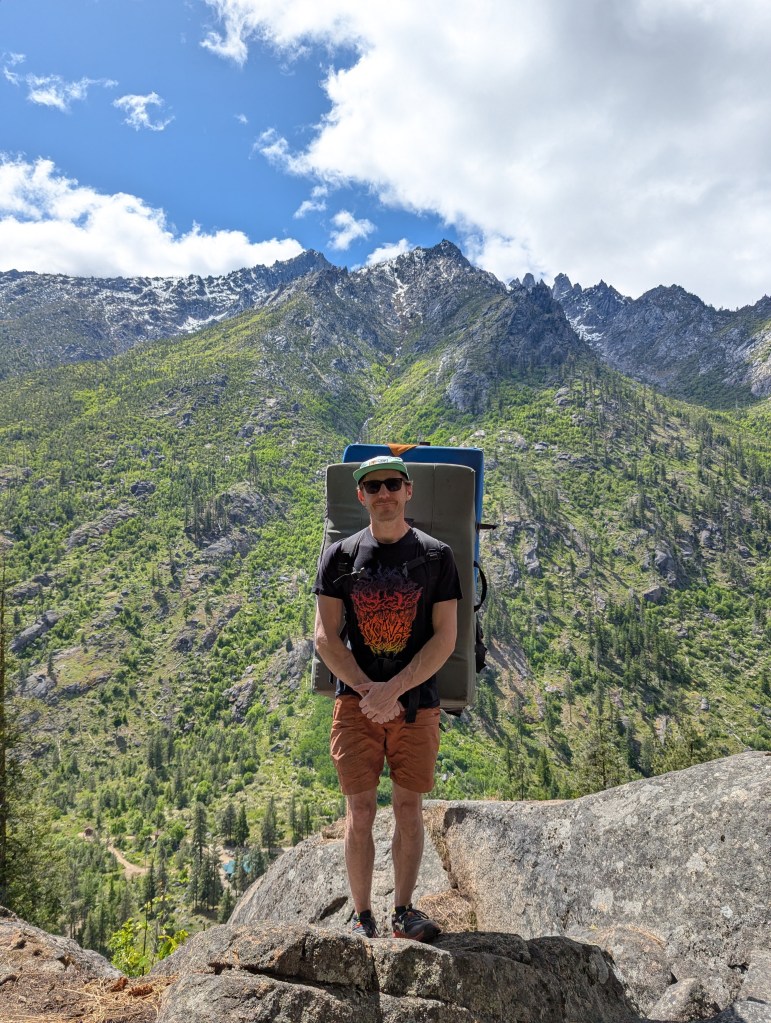
It’s really hard to do what I do without social media. The biggest challenge is a balance between trying to connect to my audience while also maintaining a degree of integrity. I want to feel like the version of me on the internet is the same as the version they’ll meet in person.
To help with that, I had a 10 Commandments type checklist that I would run through every time I posted something. I try to create content that’s engaging on a quick level, but also is a problem that people might have. I try not to bury the lede or be like, “Sign up for my newsletter to get the solution to all your problems!”
I recently started working with a small team to help me with my social media. Their job is to push me a little bit towards the engagement side, and my job is to pull us back a little bit towards integrity. That way I can play the role that I really want to play.
Having a bigger audience means I can help more people—even if we never work together directly. Those relationships are really meaningful to me.

I would tell myself not to let other people tell me who I was.
What advice would you give your past self?
Keep it sustainable. I was just working really, really hard and not taking good care of myself. If you can’t do it in the medium term, it’s not viable.
And in the bigger picture, it was such a surprise to me how energized and empowered I felt when I started mentoring people. So I would tell myself not to let other people tell me who I was.
I used to think I was an introvert because I was into computers. That was the message at the time. But if I could go back, I’d tell myself, “Try connecting with other people and seeing what that’s like”. I did not make that connection until I was like 32 and it’s now the most important thing in my life.
What’s a moment from your coaching career that stands out?
I’ve had some pretty elite clients that climb really hard routes— and that’s awesome. But they’re also professionals who have 20 hours a week to train, so it’s less surprising in some ways.
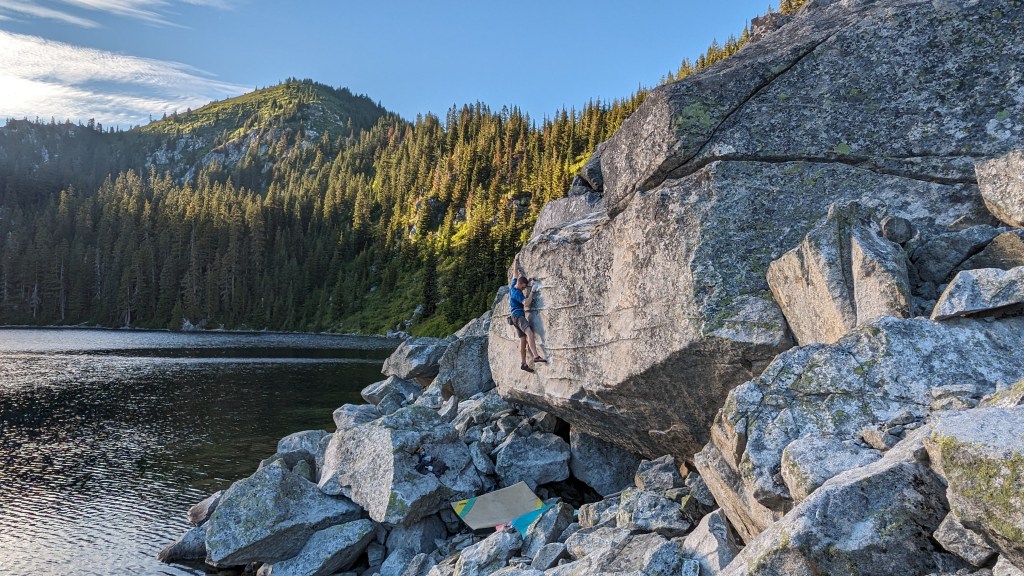
The thing that brings me the most pride is the little wins working with people who are busy parents trying to chip away at this thing they only get a few hours a week to work on and a few weekends a year to do the thing that really brings them the most joy.
I try to help people harmonize with climbing. If that’s a 20 year old hungry professional climber who has all the time in the world to train, we’re gonna try to get one thing out of it. But if it’s a person who’s 40 and serious about their job and has two kids, they’re trying to get something different out of it. And I get to empower both of those people equally, which is a really cool facet of my job.
Thank you Jesse for sharing your career journey with us!
 Joyce Lin Coaching
Leave a comment