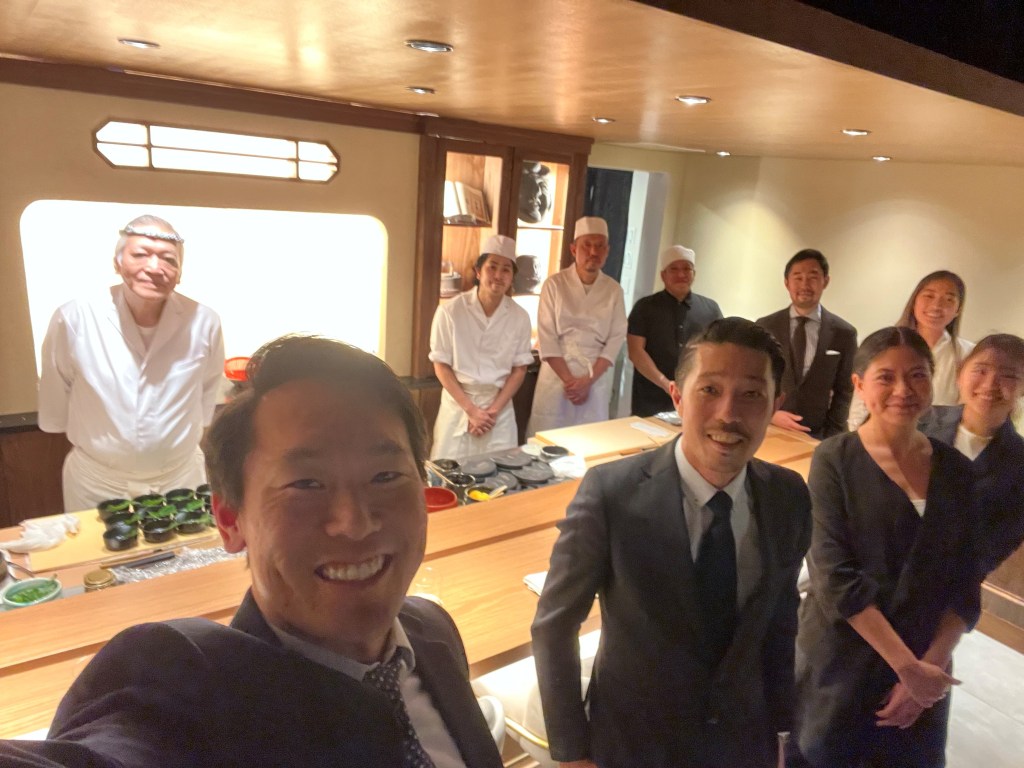
Investor by day and ramen restaurant owner by night – Mier Wang shares the story of a life-changing dinner that started a restaurant empire, how his hospitality experience translates to his wealth management company, and the advice he would give his younger self…
Note: this interview was edited and condensed
Can you introduce yourself?
I’m Mier Wang. After graduating from Penn in 2013, I started in investment banking, then moved to the buy side as a hedge fund investor.
That’s where I learned everything about operating, investing and even turning around a business, and, most importantly, working with entrepreneurs. That was the coolest part of my job, and that’s how I got the entrepreneurial bug.
That “bug” led you to the restaurant world. How did that happen?
In 2017, I was in California on a diligence trip and ended up at a ramen bar with a friend. I thought the ramen was phenomenal, and I told the chef Tomo, “Dude, you gotta grab a beer with me.” He said, “Let’s grab a thousand beers.” And that began a friendship that became a business partnership.
How did you go from beers to business partnership?!
It took a little bit of convincing. Tomo was based in LA and it took me a year to persuade him to move to New York and open a restaurant with me. I even flew out his whole family, helped find them a school for the kids and an apartment. In 2018, we opened our first restaurant. I was 26.
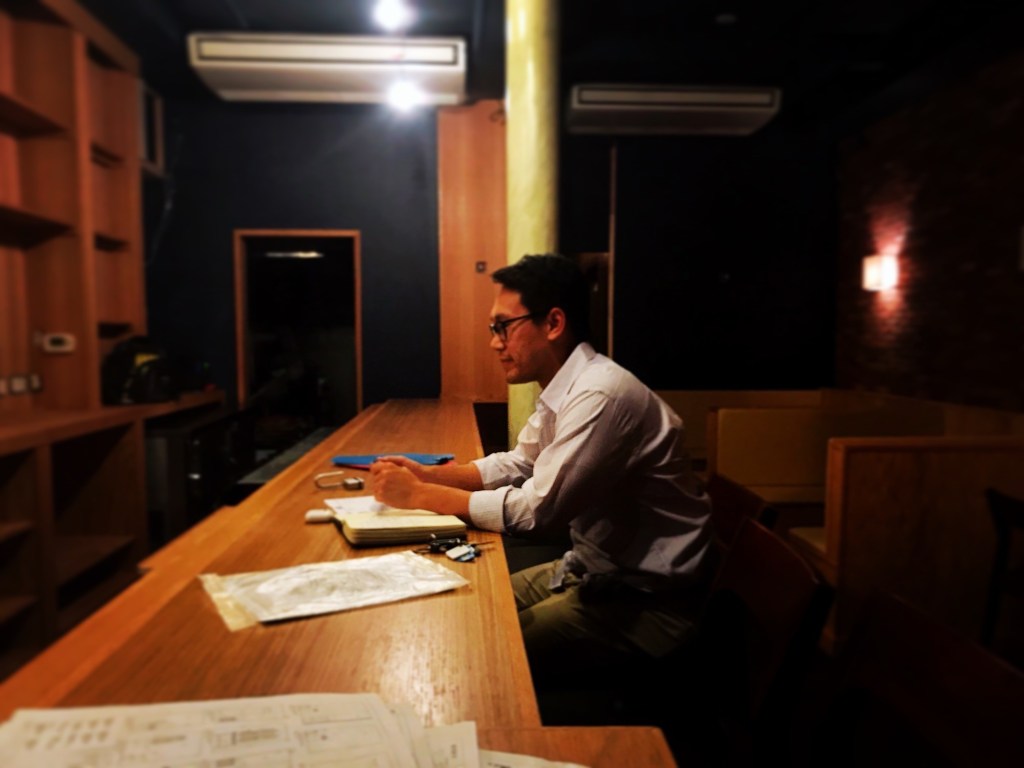
This was something that both Tomo and I really wanted to do. So even if we failed, So what?
Did you have any hospitality experience?
None—other than eating at a lot of restaurants. But I’d always had this dream of opening a Japanese restaurant. At one point in college, I thought I was going to open a sushi restaurant but the sane gods of the world convinced me not to do it back then.
I joke that restaurants are like sports teams. It’s really cool to own them, but you’ll never really make that much money. But I can bring my friends in and show them a good time.
How did people react when you told them you were opening a ramen restaurant?
Some thought I was nuts, others were excited. But you just block out the noise. This was something that both Tomo and I really wanted to do. So even if we failed, So what? I would lose a little money and a little bit of time. I still had my finance job, so I had a safety net.
But the first year was tough. I would literally work a full day at my job, get off work at 7:00 or 8:00 in the evening, and then I would Uber straight to the restaurant. Wherever they needed help, whether it’s dishwashing or just service, I would try to plug myself in.
What were the biggest lessons from the early days?
The little things matter. A good dishwasher, payroll, landlords, sick days—things you never think about in finance suddenly become very real. Also, the people really matter. Almost the entirety of our team that started with us at the beginning is still with us today.
How did you approach growth?
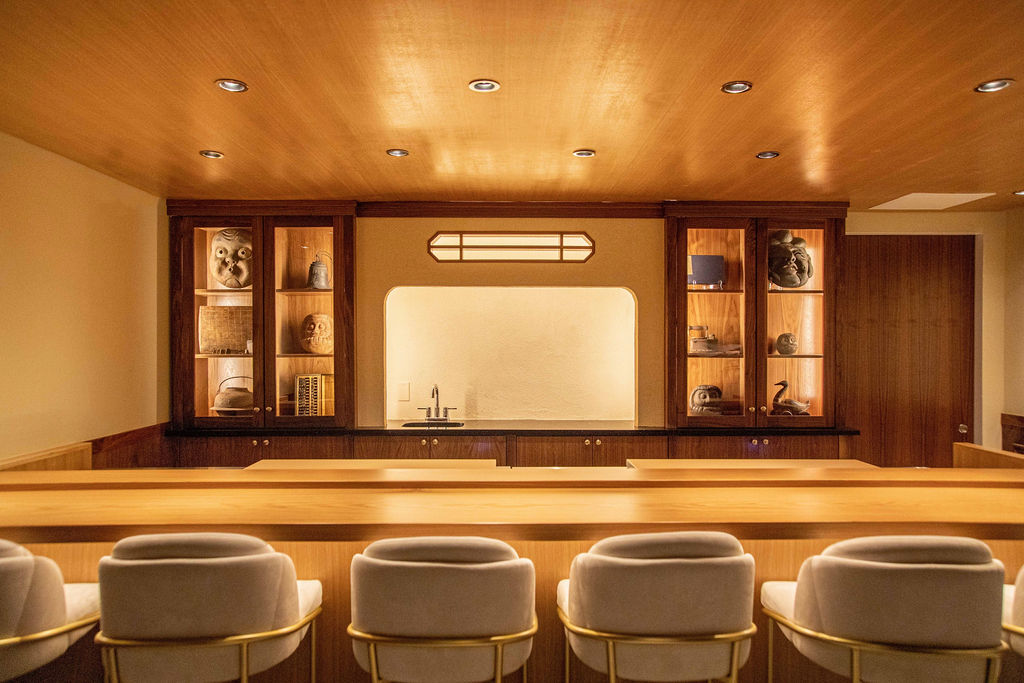
We have a lot of different ideas both on food and customer experience that we want to dabble with. If we really like the idea, we’ll build it out and if it’s a good idea, then we’re successful and we can continue growing. After ramen, our second restaurant was fast-casual, then our third was a high-end omakase sushi restaurant.
Wealth management is really hospitality, but instead of a plate of sushi, you’re serving a financial strategy.
And then you started a wealth management company too?
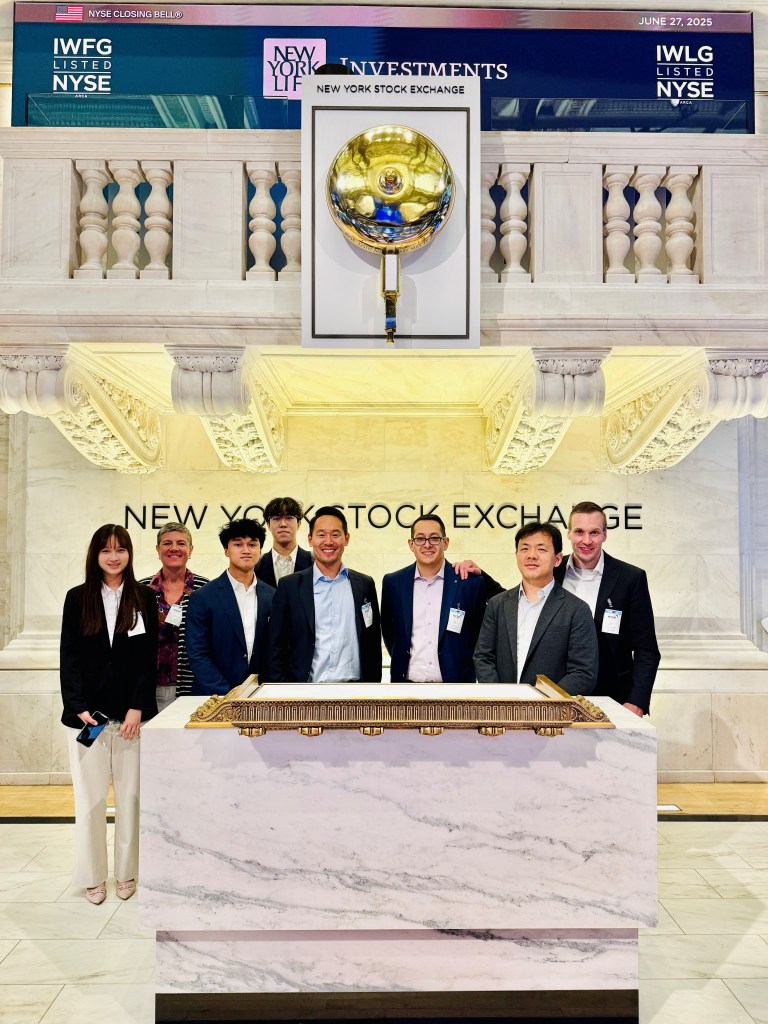
Yes—Maridea. I raised money and launched it with a few others. It’s now at $600 million in assets under management.
Wealth management is really hospitality, but instead of a plate of sushi, you’re serving a financial strategy. So a lot of things we do today are the exact same. It’s just that the kitchen that we work in is a little different from the kitchen for a ramen restaurant.
What career advice would you give your younger self?
Be open-minded and willing to say yes. I was a bit arrogant early on and thought I was above certain tasks. I think ego got in the way at times.
It goes back to people and culture. We have a litmus test internally where if anyone is unwilling to pick up another employee’s phone call, that’s a red flag for us. We have to always be willing to take calls from each other and be excited for that conversation.
You’ll never forget the first product you sell.
What’s a career moment you’re proud of?
Honestly, selling my first $20 bowl of ramen. Even though I’ve worked on IPO’s, billion-dollar deals, cool investment opportunities, I think there’s something to be said about just making your first product and selling it.
We had a three hour wait the first day we opened our first restaurant. And while our kitchen was a total disaster, customers were forgiving. We made it through. You’ll never forget the first product you sell or, you know, the first bowl of ramen.
Thank you Mier for sharing your career journey with us!
 Joyce Lin Coaching
Leave a comment