Karishma Kiri shares how she pivoted from a successful career in tech to become a real estate agent, how she stands out in an industry where the average person knows 13 real estate agents, and some of the big and small moments that have stayed with her from her career…
Note: this interview was edited and condensed
Can you introduce yourself?
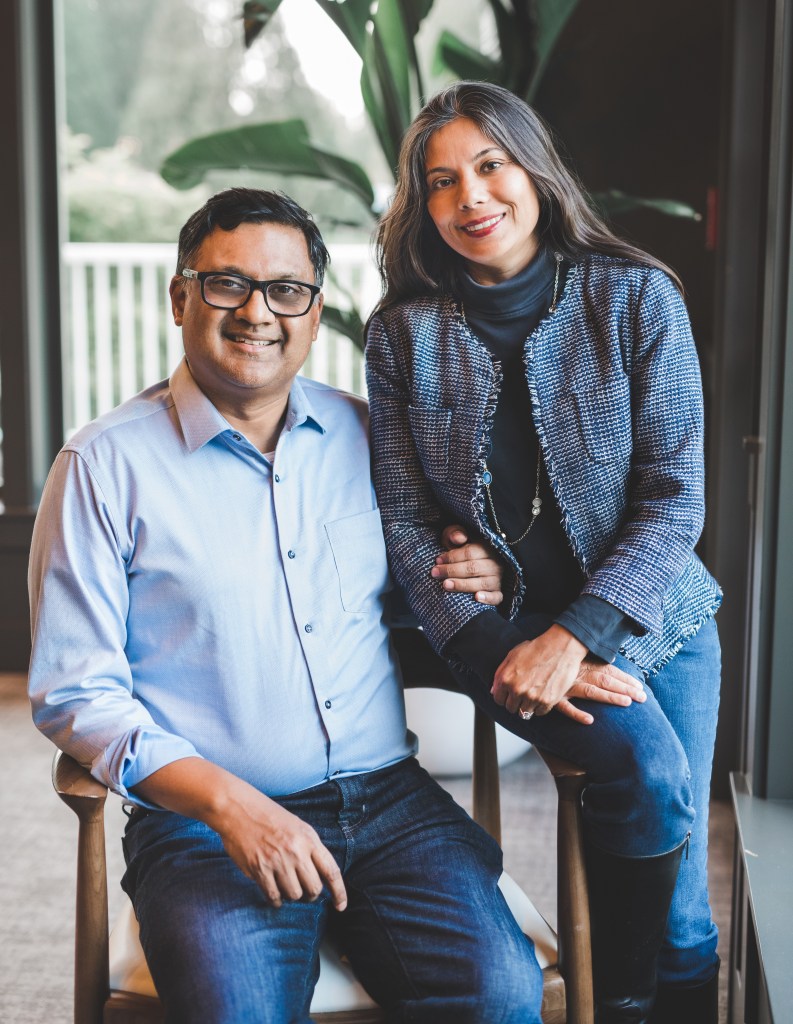
I’m Karishma Kiri. I’ve been in Seattle for 27 years, originally from India by way of Southern California. I’m now a real estate broker — after a long career in tech.

Can you walk us through your career journey?
So I do think I’m a little bit weird because when I was 13, my parents asked me what kind of magazine subscription I wanted – and I said, “I want Business Week and the Wall Street Journal.” I loved following corporate strategy battles like Pepsi and Coke or Toyota and Honda – it was exciting for me.
When I interned at Microsoft during college, I realized, this is my jam. It was a very meritocratic environment and even as an intern, you owned different aspects. I decided to come back full-time and it really brought together my love of corporate strategy and the ownership mindset. Over 11 years there, I worked in product management and led emerging markets initiatives.
I became fascinated with how people make big, life-changing decisions like housing.
How did you transition from product manager to real estate broker?
I’d always wondered: could I be an entrepreneur? So I left Microsoft to join a friend’s digital agency. Around that same time, my husband Dilip and I bought a house — and I became fascinated with how people make big, life-changing decisions like housing. I saw a gap in the industry for strategic, business-minded real estate advising.
I’ve heard the average person knows 13 real estate agents. So there are more agents than people. But I wanted to bring in that business acumen and ownership mindset so that people knew that they weren’t hiring a transactor, they were hiring an advisor – for one of the most expensive things that most people ever buy.
I wanted to see if I could do it because I knew my why.
What was going through your head when you left tech for real estate?
I initially felt scared and discouraged because everyone seemed to be against the idea except for my husband and a few family members. And so I said, I don’t know how I’m going to do this, but I wanted to see if I could do it because I knew my why.
I did a lot of training. I joined one of the best offices in the state to surround myself with top talent and learn fast.
How do you differentiate yourself from the other 11,000 agents at that time? People saw that I wasn’t desperate for a sale and I was picky about what they were buying or how they were selling. They realized, “She’s actually more interested in the outcome and helping us do the right thing, not just getting a deal done.”
How did your business-owner mindset shape your approach?
In real estate, you have to do a mixture of servicing clients and prospecting for new clients. So that ownership mindset helped me think about all these business aspects versus saying, “Oh no, I’m not really good at marketing, so I can’t do this part.” You don’t have a choice. You have to do the marketing, be the salesperson, be the execution person, and manage your P&L.
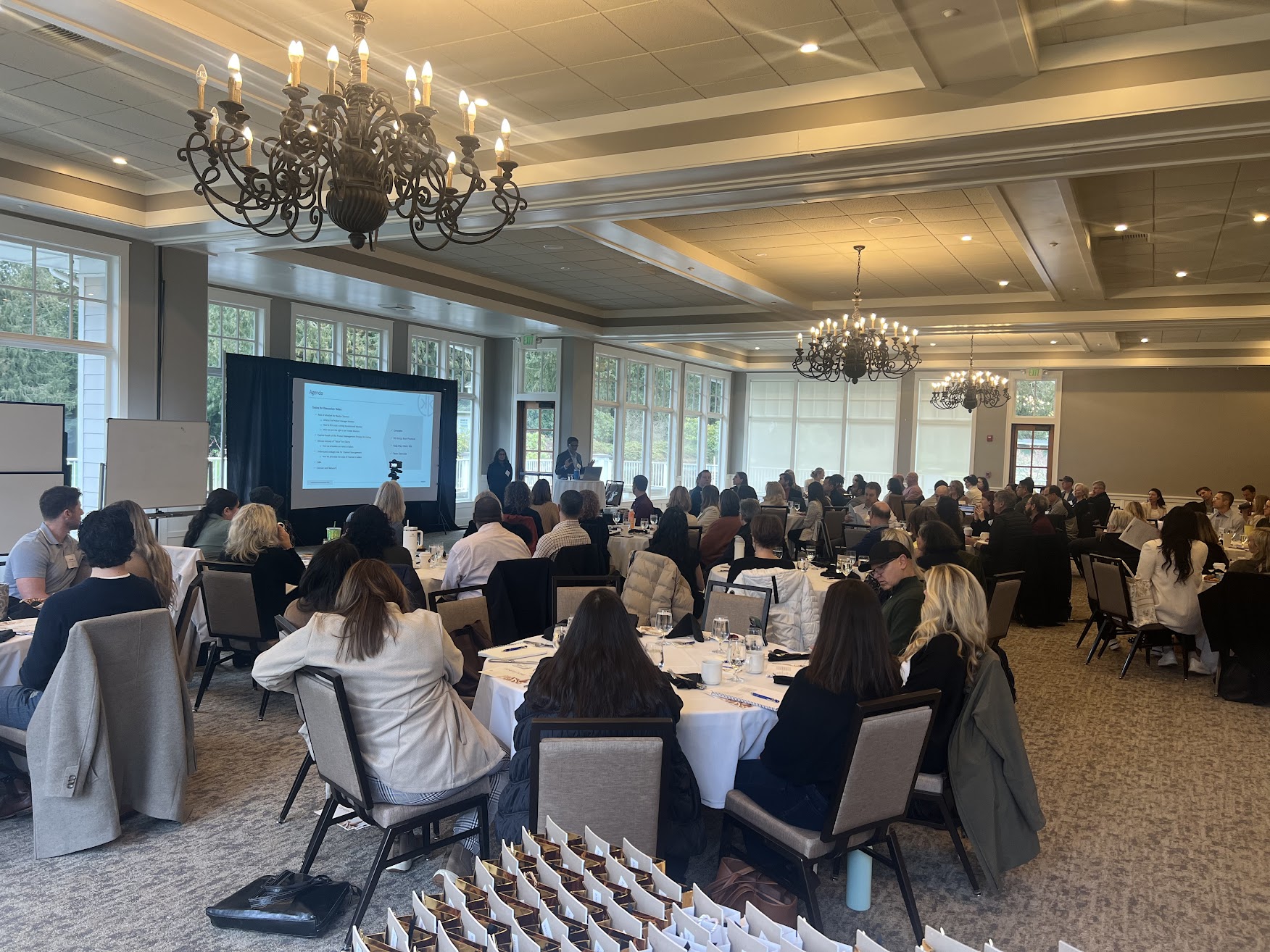
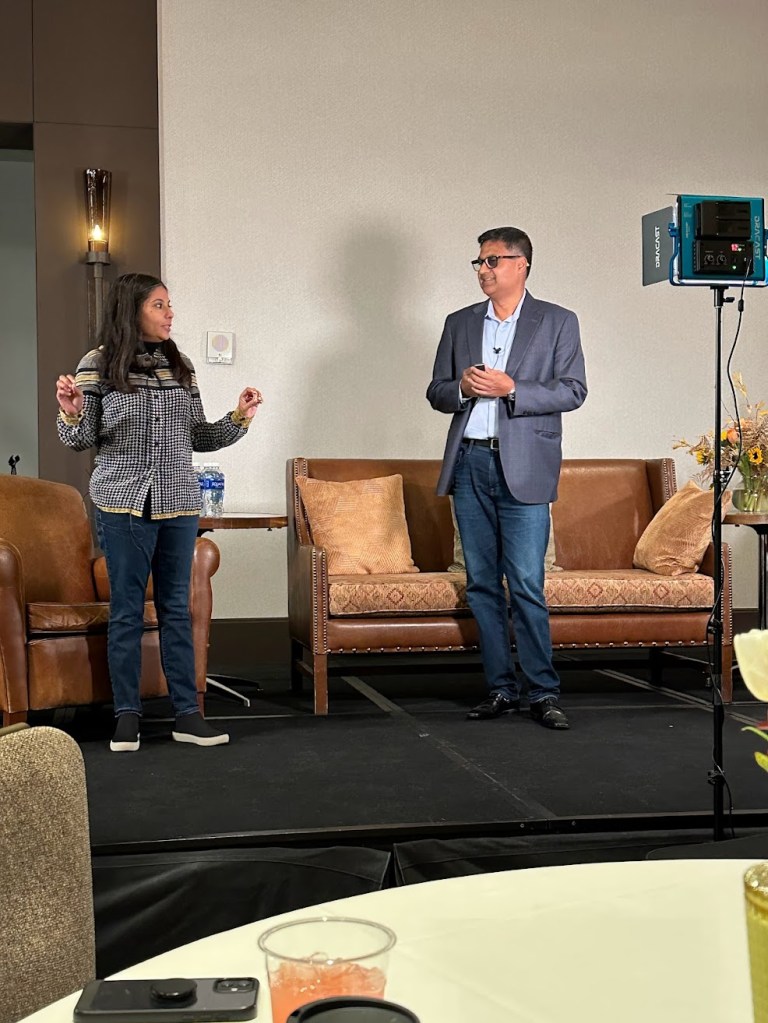
I teach a class at Windermere called Facing Your Fears to new brokers, where I teach other agents to one, understand your why, but two, to put on the mini CEO hat and start thinking about the foundational aspects of your business that you need to build.
I wanted to bring my effort and purpose into the area of housing; where people live their lives and make memories.
You seem to have found your “why” early. How can others do the same?
For me, it came down to what made me excited. When you’re trying to figure out your why, it’s really important to first, understand what gets you excited and then, what are the skills you need to do what gets you excited. And if there’s a complete mismatch, either you have to build those skills or you may have to consider something different.
For example, I really wanted to focus aspects of my career that helped people on something very fundamental in their life. If you think of the life fundamentals – it is housing, education, food, and health. So I wanted to bring my effort and purpose into the area of housing; where people live their lives and make memories.
Listing a house is like a product management exercise
But going back to real estate – combining the passion for housing and bringing in the wealth of experience from the tech world, we are able to help buyers and sellers navigate our dynamic market.
Listing a house is like a product management exercise, so it’s bread and butter for me because I’m still a product manager at heart. On the buyer side, my detail-oriented, protective side comes out as we want our buyers to make informed and sound decisions. So it’s a lot of those core skills that I have been able to utilize in real estate.
We will talk ourselves out of business if it’s the right thing for the client.
What else has helped you be successful in real estate?
The combination of being able to really connect with people and knowing that they know that we have their back – and grounding it on data and a set of processes and best practices.
We will talk ourselves out of business if it’s the right thing for the client. And if that means we’re telling someone to not list their house because it’s a great rental and they may not sell it for another five years, we technically lost that sale, but for us, it’s that partnership and advisory approach.
I’m also not afraid of data and that allows some agility to figure out if there are different blips happening in the market. A lot of people don’t track the data – they don’t know how to do it or they don’t want to do it. I love all of it, and it’s important to stay updated on the data so that again, we can advise and guide our clients as they make these large-scale decisions since real estate involves a lot of money.
Can you share a career moment you’re proud of?
When I was at Microsoft working on emerging markets, we were trying to help people learn more about technology in environments where the cost of owning a computer was prohibitive.
I thought, what if we teach teachers how to use technology and create learning centers? The teachers teach students and the students are going to be the future users of technology. The whole team loved this idea and we started fleshing it out.
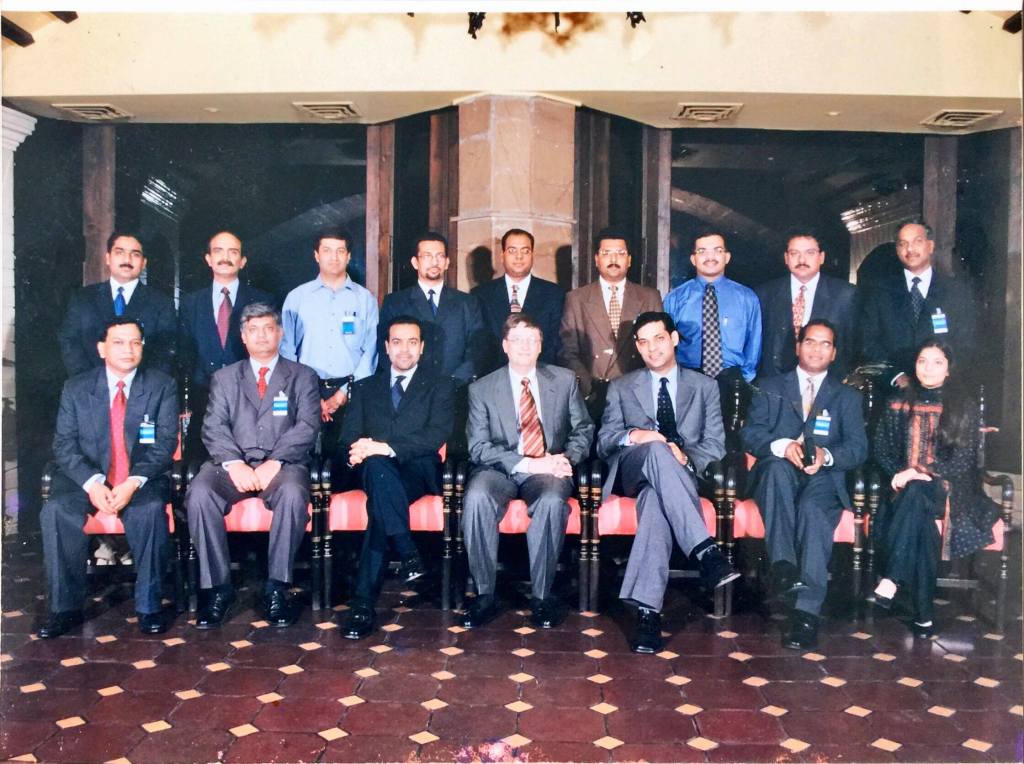
We launched it in India and then it turned into a global program called Partners in Learning. The Microsoft India subsidiary nominated me for the Best Practice Award – and Steve Ballmer and Bill Gates presented the award to me at the Global Sales Summit.
To be a part of that initial seed and getting countries to upskill the younger generation and teach digital literacy meant a lot to me. It’ll stay with me forever that I had that kind of impact.
What about a meaningful moment from your real estate career?
We’ve had sellers who needed every single dollar from selling their house because it was going to be their retirement fund. They were so stressed about the sale and whether they’d get enough money. And when we beat what they thought they would get by a significant amount, they were so relieved that they cried.
My feeling of security has a lot to do with my living environment. It’s an anchor for me. And so maybe in some ways, I’m trying to give some everyone else that same anchor.
It’s so amazing to work with someone in a way that shapes their future life – and for them to trust you like that.
We work with people at a lot of price points by design. We’ve had a teacher who works with neurodiverse children, who didn’t think they could afford a home in their target area and we were able to win a house for them over a cash offer by being very strategic. We’ve worked with a former CEO who’s entrusted us with exercises that are millions of dollars.
I want that full spectrum because we’re doing it to be that partner and advisor. It’s not transactional. For myself, my feeling of security has a lot to do with my living environment. It’s an anchor for me. And so maybe in some ways, I’m trying to give some everyone else that same anchor.
Thank you Karishma for sharing your career journey with us!
 Joyce Lin Coaching
Leave a comment